Note: This article is currently AI-generated placeholder text. Actual content coming soon after the public release.
The Intersection of Transport and the Grid
The electrification of transport represents the most significant shift in demand profiles the SADI grid has faced in decades. Unlike traditional industrial loads, Electric Vehicle (EV) charging is distributed, mobile, and highly variable.
Key Takeaways
- 1.
The Buenos Aires-Rosario corridor will require a 300% increase in fast-charging capacity by 2030.
- 2.
Smart charging protocols could reduce peak load strain by up to 15% during summer months.
- 3.
Distribution networks in Patagonia are currently under-equipped for heavy-duty EV trucking.
The Corridor Challenge
Argentina's vast geography presents unique challenges for EV infrastructure. While urban centers like Buenos Aires and Córdoba have seen a surge in lower-capacity destination charging, the long-distance corridors require DC Fast Chargers (DCFC) that pull substantial power from the grid.
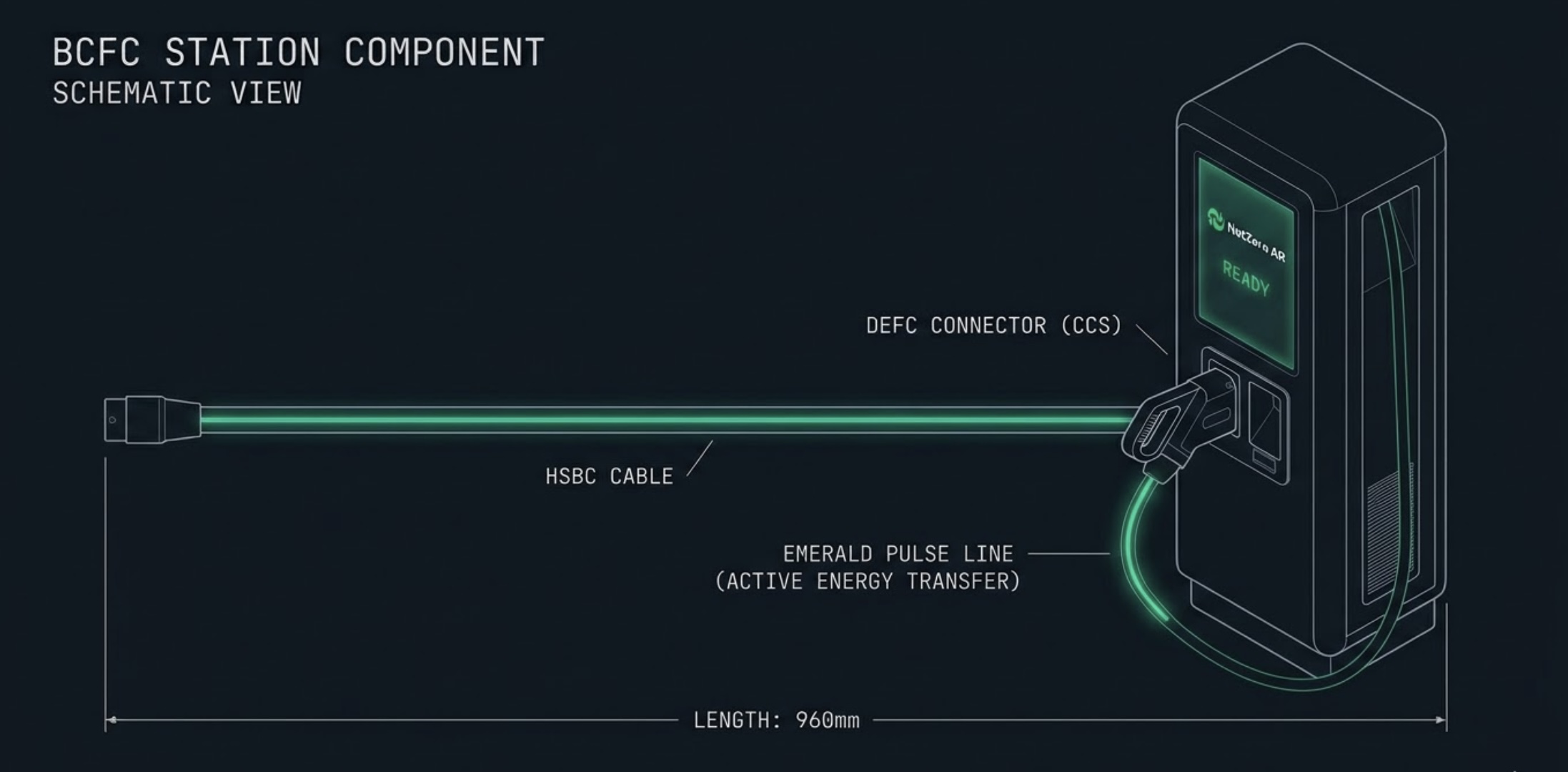
FIG 01 // Standardized DC Fast Charging (DCFC) interface.
Source: NetZero AR Research
Our modeling suggests that simultaneous charging at newly proposed "Electro-Stations" along Route 9 could create localized voltage drops if not supported by on-site battery storage or significant distribution upgrades.
Smart Charging as a Grid Asset
System analysis required for detailed metrics.
The solution to the impending load challenge isn't simply "build more cables". Vehicle-to-Grid (V2G) technology and smart managed charging will be essential. By incentivizing off-peak charging through dynamic tariffs, the SADI grid can absorb the massive influx of EVs without requiring proportional investments in peak generation capacity.